Veterinary SurgeryRefer a case
Client guide · For pet owners
Preparing Your Home for Soft-Tissue Surgery
A calm setup helps healing begin well. For mass removals, abdominal procedures, wound repairs, and other soft-tissue surgeries, a few changes at home can make recovery safer and easier. Many dogs need at least 10–14 days of restricted activity, and some procedures require longer.
01
Set up a quiet recovery space
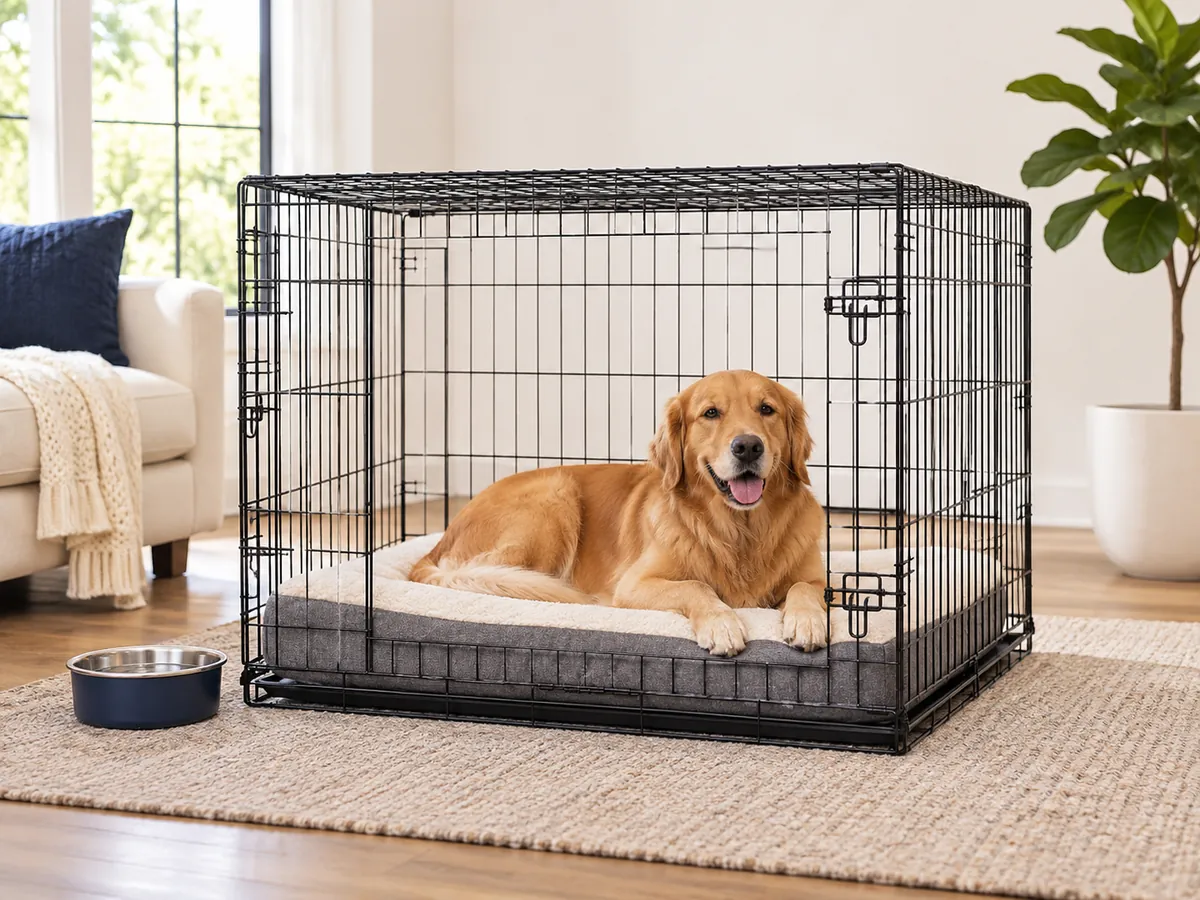
Choose a quiet, comfortable area where your dog can rest without being tempted to run, jump, or play. Restricted activity helps protect the incision and reduces the risk of bleeding, swelling, or delayed healing.
Good options
- Crate or kennel: Room to stand, turn, and lie down.
- Exercise pen: Small, secure, and stable.
- Small gated room: With good, stable footing and no accessible furniture for jumping.
Inside the space
- Supportive, washable bedding
- Fresh water in easy reach
- A quiet spot away from chaos and rough play
- Enough room to rest comfortably while wearing an E-collar
02
Limit stairs and excitement
For the first 10–14 days, keep activity calm and controlled. Use baby gates if needed, limit access to stairs, and choose the easiest route outside for bathroom breaks.
Do not allow running, wrestling with housemates, or repeated trips up and down full flights of stairs while the incision is healing.
03
Prepare for an E-collar
We recommend an appropriately fitted Elizabethan collar (E-collar or cone) for every dog. Licking or chewing at the incision can lead to infection, swelling, and delayed healing.
The E-collar should remain on continuously until the incision has healed, unless your surgical team gives different instructions.
04
Plan short leash bathroom breaks
Choose a nearby, flat potty area and keep bathroom breaks short and on leash. Even if your dog seems to feel well, avoid free roaming outdoors during the initial healing period.
For abdominal surgery patients such as ex-laps, do not place pressure on the abdomen unless your veterinary team specifically instructs you to do so.
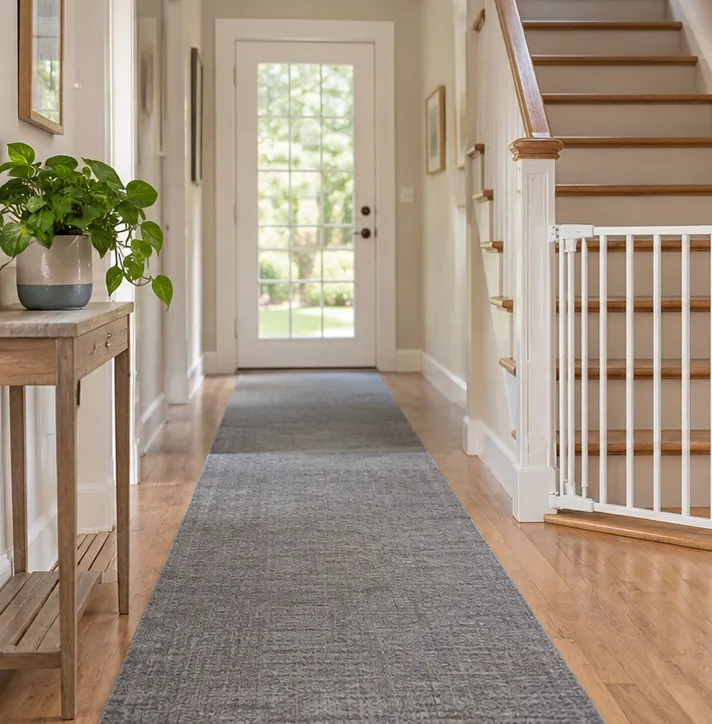
A quiet route outside and a blocked staircase can make recovery easier.
05
Prevent jumping and rough play
Keep your dog off beds and sofas, and prevent jumping, rough play, and zooming through the house.
If you have other dogs at home, take them outside separately and separate them whenever their interactions become too energetic.
06
Make food, water, and medications easy
Before surgery, decide where food, water, and medications will be kept so they are easy to reach during the recovery period. Ask your veterinary team when feeding should resume after surgery and how medications should be given.
07
Keep recovery calm
Plan for a calm, predictable environment. Quiet companionship, a consistent routine, and low-key enrichment can help your dog settle.
If your dog is anxious in confinement or likely to be difficult to keep quiet, let your veterinarian know. Medication may be helpful.
08
Plan the ride home
Your dog may be groggy or unsteady after anesthesia. Do not allow jumping into or out of the car. If your dog is large, have a second person available to help. A secured travel crate can help limit movement during the drive home.
Important reminder
Important reminder
Soft-tissue surgery timelines vary. A routine mass removal may heal faster than an abdominal procedure or wound reconstruction. Follow the incision-care and activity instructions given specifically for your dog.
Keep this page handy
Your pre-surgery home checklist
Use this checklist before your dog's soft-tissue procedure so you can focus on rest, incision care, and a calm return home.
- Set up a crate, exercise pen, or small recovery room with stable footing.
- Provide comfortable bedding and easy access to water.
- Choose a calm area away from rough play and household traffic.
- Limit stair use and block stairs if needed.
- Choose a flat, nearby bathroom area for short leash trips.
- Plan to prevent access to beds, couches, and other jumping opportunities.
- Plan separate outdoor trips for your other household dogs.
- Have an appropriately fitted E-collar available.
- Keep supplies ready for medications and incision monitoring.
- Plan safe transport home, with a helper if your dog is large.
- Consider using a secured travel crate in the vehicle.
- Arrange supervision and assistance for the first days at home.
Examples of procedures this guide applies to
Mass removals, exploratory laparotomy, gastrointestinal surgery, bladder or urinary procedures, wound repair, reconstructive surgery, and other soft-tissue procedures.
The goal
A quiet space. A protected incision. A calm recovery.
These simple preparations can make the first days at home much smoother.
Remember: If your dog seems bright and active, the incision still needs time to heal. Follow the discharge instructions provided for your dog.
Next step
Start with the veterinary team who knows your pet.
Pet owners should contact their primary veterinarian. Veterinary teams can submit records and case details directly to KVS.
Find a partner clinic